
"seasonal local"
4000 article(s) found

Bali High quality rawbean greencoffee Solar treatment of imported Coffee Raw Bean from Indonesia
Indonesia Bali Karana Kintamani Ubud Natural country: Indonesia producing area: Kintamani Volcano area altitude: 1400 m harvesting season: June to September every year treatment method: sun varieties: USDA, Karka, SMUE 795 processing plant: Ubu processing plant flavor: ripe peach, pineapple, brown sugar in Bali traditional text
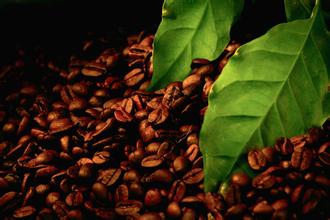
Geo-climatic production process of coffee in Rwanda
Maraba Coffee, the geographic and climatic editor, is grown in southern Rwanda, about 12km (7 miles) from the city of Butare and 150km (93 miles) from the capital, Gejali. The plan began in the Malaba area of Butare province, but was taken over by a local government organization in 2006, which is now part of the Huye district of the southern province. Due to its proximity to the East African Rift Valley and Neuenweisen,

Nicaraguan Maraka Dura Coffee Flavor description, Grinding characteristics, introduction to the taste of varieties
This is because Guatemala is located in the tropics, the northern and eastern coastal plains have a tropical rain forest climate, and the southern mountains have a subtropical climate, with two dry and wet seasons a year, with the wet season from May to October and the dry season from November to April of the following year. The central plateau is also the cultural center of Guatemala, where temperatures are mild all year round at an altitude of 1300 to 1800 meters, with daily temperatures between 18 and 28 ℃.
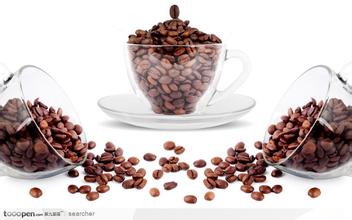
Geo-climatic production process of coffee in Rwanda
Malaba Coffee grows in southern Rwanda, about 12 kilometers (7 miles) from the city of Butare and 150 kilometers (93 miles) from the capital, Gejali. The plan began in the Malaba area of Butare province, but was taken over by a local government organization in 2006, which is now part of the Huye district of the southern province. Due to its proximity to the East African Rift Valley and the Neuenway Forest Mountains, this area has many topography.

Malaba coffee grown in southern Rwanda Lutechiro, Western Province
Maraba coffee is grown in southern Rwanda, about 12 km (7 mi) from Butare and 150 km (93 mi) from the capital, Gigali. The project began in the Malaba area of Butare province, but was succeeded by local government organizations in 2006, and the area is now part of the Huye region of Southern province. Due to its proximity to the Great Rift Valley and the Nunwe Forest Mountains, the terrain of this zone

Rwanda Malaba Bourbon Coffee introduces the Lutesilo producing area in the western province
Malaba Coffee grows in southern Rwanda, about 12 kilometers (7 miles) from the city of Butare and 150 kilometers (93 miles) from the capital, Gejali. The plan began in the Malaba area of Butare province, but was taken over by a local government organization in 2006, which is now part of the Huye district of the southern province. Due to its proximity to the East African Rift Valley and the Neuenway Forest Mountains, the terrain

Malaba Coffee from Coffee producing areas in Southern Rwanda
Grows in southern Rwanda, about 12 km (7 miles) from the city of Butare and 150 km (93 miles) from the capital, Gejali. The plan began in the Malaba area of Butare province, but was taken over by a local government organization in 2006, which is now part of the Huye district of the southern province. Due to its proximity to the East African Rift Valley and the Neuenway Forest Mountains, the terrain is sloping and steep.

Introduction of Colombian Coffee in Juzi River, Huilan, Colombia
Professional coffee knowledge exchange more coffee bean information Please follow Coffee Workshop (Wechat official account cafe_style) Whelan Province, located in western Colombia, is an important producer of boutique coffee in the country, especially in the town of San Augustin, where the Los Naranjos River flows. Naranjos means orange in Spanish, so the joint production batch of small farmers in this area
Introduction of Yunnan Coffee in the latest production season in 2018 what will be the change in the flavor of Yunnan coffee in the new production season?
Communication of professional baristas Please follow the coffee workshop (official Wechat account cafe_style) when I first came to Yunnan, I didn't know that there was coffee production in Yunnan. It was the year 2000. Found several cafes in the ancient city of Lijiang to taste this fresh coffee, unfortunately, it is all light, not as good as instant coffee. Ask the little sister and brother in the cafe carefully, only to know that at that time, they

Naughty girl on the corner: TOMBOY Red Brick Cafe in Melbourne
Coffee shop chain is not common in Melbourne, Australia, where people do not particularly like buy one get one free Starbucks, but prefer specialty cafes and dessert shops that show their own taste. Think of the famous Australian chef Curtis Stone, the first thing to go back to Melbourne.

Introduction to the Flavor and Taste Manor production area of Coffee growing area in Guatemala
Guatemala is located in the tropics, the northern and eastern coastal plains have a tropical rain forest climate, the southern mountains have a subtropical climate, the year is divided into two dry and wet seasons, with the wet season from May to October and the dry season from November to April of the following year. The central plateau is also the cultural center of Guatemala, where temperatures are mild all year round at an altitude of 1300 to 1800 meters, with daily temperatures between 18 and 28 ℃, and higher in January

Production conditions and soil Management of Coffee trees
Coffee trees-production conditions Coffee trees Coffee Tree Atlas 1. Planting conditions of coffee trees the ideal planting conditions for coffee trees are: the temperature climate is between 15 and 25 ℃, and the annual rainfall must reach 1500 to 2000 mm. At the same time, the rainfall time should be in line with the flowering cycle of coffee trees. Of course, in addition to the seasonal rainfall, there should be fertile soil.

The flavor and taste characteristics of Guatemalan coffee manor with rich volcanic soil introduce Latisa Villa.
This is because Guatemala is located in the tropics, the northern and eastern coastal plains have a tropical rain forest climate, and the southern mountains have a subtropical climate, with two dry and wet seasons a year, with the wet season from May to October and the dry season from November to April of the following year. The central plateau is also the cultural center of Guatemala, where temperatures are mild all year round at an altitude of 1300 to 1800 meters, with daily temperatures between 18 and 28 ℃.

Southern part of Malaba Coffee production area, a coffee variety from Rwanda
Malaba Coffee grows in southern Rwanda, about 12 kilometers (7 miles) from the city of Butare and 150 kilometers (93 miles) from the capital, Gejali. The plan began in the Malaba area of Butare province, but was taken over by a local government organization in 2006, which is now part of the Huye district of the southern province. Due to its proximity to the East African Rift Valley and the Neuenway Forest Mountains, the terrain
How does Costa Rican Red Honey treat Coffee Flavor? introduction to Tarazu Castro Family Coffee treatment
Located in the high mountains of the South Pacific south of San Jose, the capital of Costa Rica, the Tarazu region has one of the highest planting densities in Central America, with many farms 2000 meters or more above sea level. It is called Zona de Los Santos locally because of the number of towns with San or Santa in its name. The climate of Tarraz has two distinct seasons.
Arabica cultivation techniques: soil management
Weeding, covering young coffee garden, weeds are easy to breed, especially in rainy season, weeding should be once a month. If there is sufficient labor, remove the weeds first. Adult coffee gardens can be weeded once every 2 to 3 months. Such as the use of herbicides should be careful not to spray coffee leaves, in young coffee garden use more important caution. Coffee root shallow, vulnerable to high temperature and drought and other adverse climatic conditions
The unique smoky tail rhyme of Guatemalan coffee with Arabica variety.
Professional coffee knowledge exchange more coffee bean information please follow the coffee workshop (Wechat official account cafe_style) Front Street-Guatemala Coffee introduction Guatemala is located in the tropics, the northern and eastern coastal plains have a tropical rain forest climate, the southern mountains have a subtropical climate, the year is divided into two dry and wet seasons, May-October is the wet season, November to April of the following year is the dry season. So is the central plateau.

Colombia-Orange River-St. Augustine Coffee Manor production Information Award record introduction
For the exchange of professional baristas, please follow the coffee workshop (Wechat official account cafe_style) 2009 SCAA Annual Champion of the American Fine Coffee Association Colombia ranks the third largest producer in the world (the first is Brazilian coffee and the second is Vietnamese coffee). Western Colombia is an important producing area of fine coffee in the country. San Augustin St. Augustus flows through the Los Naranjos River.

Introduction to the characteristics of Coffee Bean Flavor Manor in Rwanda
Malaba Coffee grows in southern Rwanda, about 12 kilometers (7 miles) from the city of Butare and 150 kilometers (93 miles) from the capital, Gejali. The plan began in the Malaba area of Butare province, but was taken over by a local government organization in 2006, which is now part of the Huye district of the southern province. Due to its proximity to the East African Rift Valley and the Neuenway Forest Mountains, the terrain

Guatemala Coffee Estate Flavor Introduction Guatemala Coffee Taste Latissa Estate
Guatemala is located in the tropics. The northern and eastern coastal plain areas belong to tropical rain forest climate, while the southern mountainous areas belong to subtropical climate. There are two dry and wet seasons in a year. The wet season is from May to October, and the dry season is from November to April of the following year. The central plateau is also the cultural center of Guatemala, where temperatures are mild all year round at 1300 to 1800 meters, with daily temperatures ranging from 18 to 28 degrees Celsius, and higher in January